
Becoming an advanced machinist quickly may sound ambitious, not least because of the mastery involved!
Unfortunately, there are no short cuts - becoming a great machinist requires time, effort, patience and practice. But with the right approach, tools and mindset, it is possible to shorten your route to the top.
Modern manufacturing environments reward people who learn fast, adapt to new technologies and build strong practical foundations. Whether you are early in your career or upskilling from a current machining role, this guide will show you the most effective path toward becoming an advanced machinist.
Focus on foundational skills first
While becoming advanced is the goal, speed comes from mastering fundamentals early. The stronger your core knowledge, the faster you progress when working with complex machines and techniques.
- Learn CNC principles deeply
Take time to understand how CNC machines think. Focus on coordinate systems, machine kinematics, toolpath logic and how controllers interpret commands. Skilled machinists can predict tool behaviour before a program ever runs.
- Develop confidence with metrology
Accurate measurement is non-negotiable. Learn to use calipers, micrometers, height gauges, Geometric dimensioning and tolerancing (GD&T), CMMs and optical systems with precision and repeatability.
Build skills through structured learning
Fast progression relies on structured learning rather than random experience.
- Follow learning paths from trusted sources
Online courses, certification programs and manufacturer training accelerate your growth. Look for material covering G code, multi-axis machining, CAD and CAM fundamentals, material science and quality assurance.
- Shadow experienced machinists
Nothing accelerates learning like observing skilled professionals. Ask questions, watch their setups, learn how they troubleshoot and take notes on how they think. This isn’t always possible - large plants tend to keep people tied to their immediate machine - and can be a lot easier at smaller shops.
- Work on varied parts
Advanced machinists have broad exposure. Volunteer for different jobs, materials and machine types to build range quickly. Different shops have varying approaches - so you might want to give yourself as much exposure to those as possible, potentially even by moving around.
Use modern tools to speed up your progression
Today’s machinists benefit from technology that reduces trial and error and builds confidence faster.
- CAM systems and programming assistants
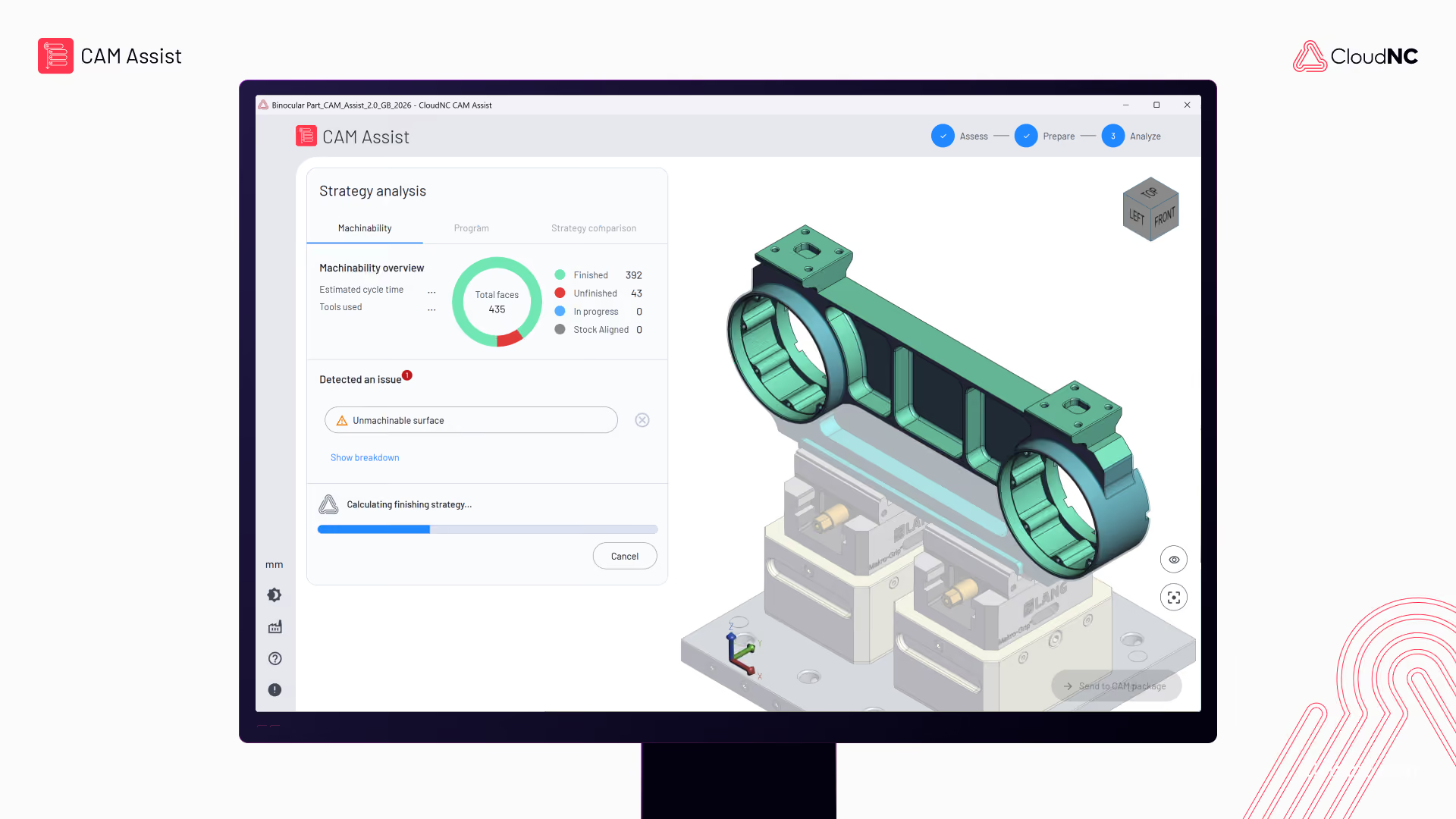
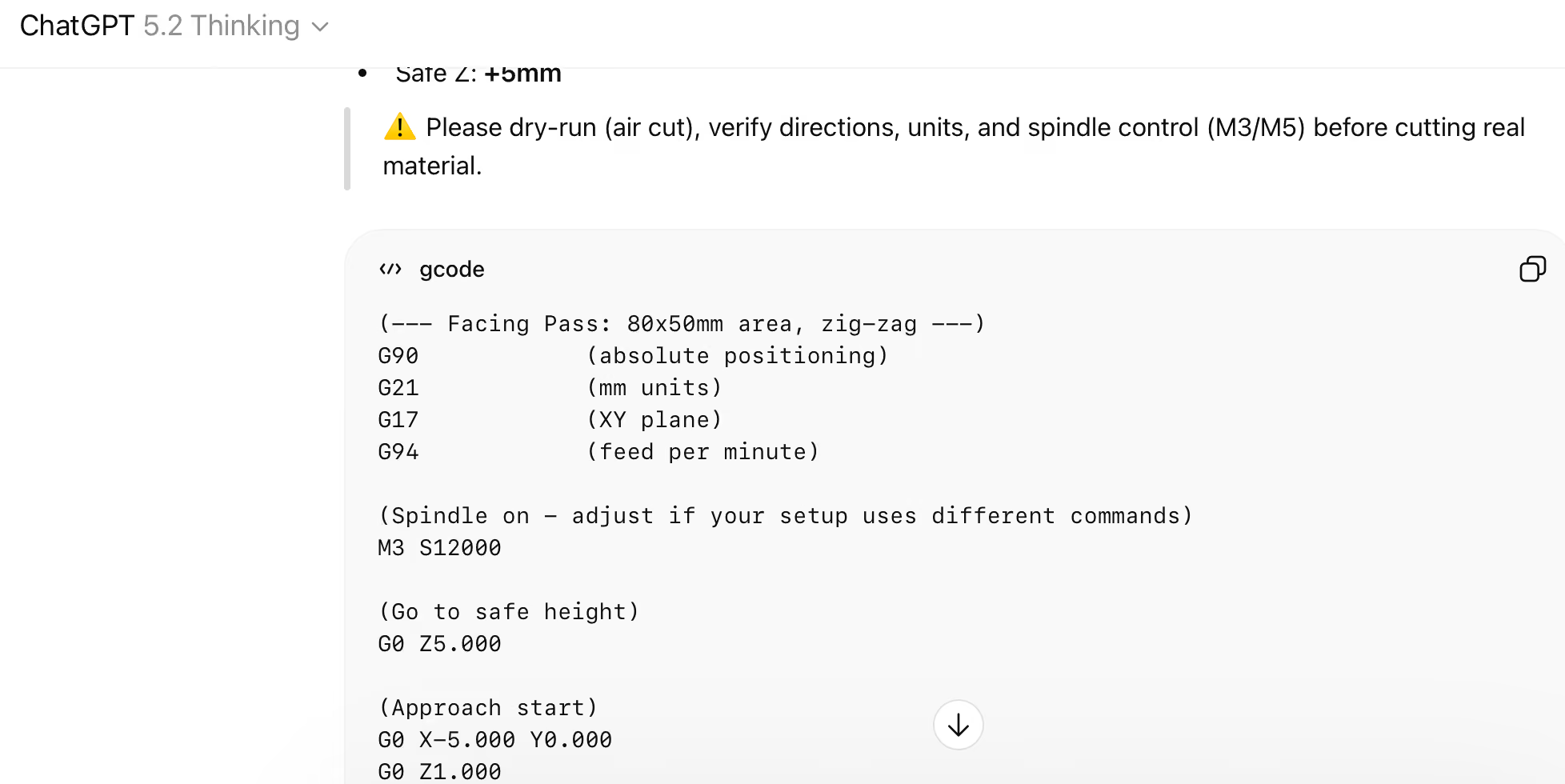
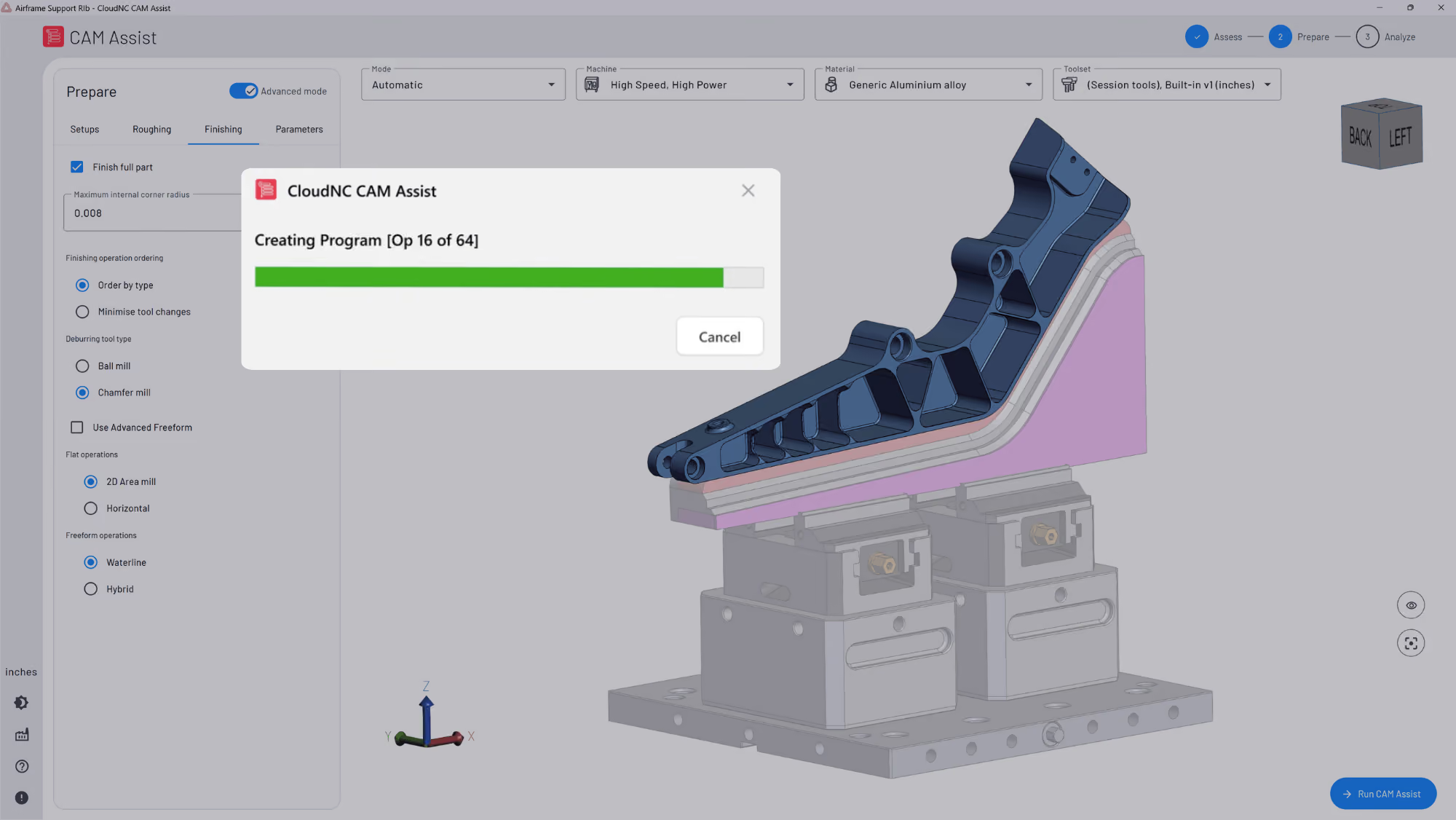
Modern CAM tools help new machinists understand toolpath strategies, cutter engagement and machining methods more quickly. CAM Assist from CloudNC, for example, can generate machining strategies for many parts in seconds, giving machinists a reference point for setups and toolpath planning.
Used well, these tools shorten the learning curve by revealing expert level strategies that would otherwise take years to encounter. Our friends at Titans of CNC also offer free training online, while different educational licenses are also available for different CAM packages.
- Simulation software
Running toolpaths in simulation builds safe intuition fast. You can learn how different geometries, approaches and strategies impact performance without risking machines or material.
- Digital twins and probing systems
On-machine verification tools and digital models help reduce scrap and improve setup quality, reinforcing good habits early in your career.
Grow the habits that advanced machinists share
Skills matter, but mindset accelerates everything.
- Stay curious
Ask why every time you see an unusual method or interesting outcome.
- Keep a machining journal
Document setups, lessons, failures and solutions. Reviewing your notes compacts months of learning into weeks.
- Seek feedback constantly
Advanced machinists refine continuously. Invite peers or seniors to review your work and suggest improvements.
- Practice problem solving
When something goes wrong, do not simply fix it. Analyse why it happened and how to avoid it next time.
Build speed through repetition and refinement
Repetition creates instinct. Instinct creates speed.
- Repeat setups to build fluency
Performing the same setup multiple times rapidly increases your comfort with measurement, tooling and sequencing.
- Learn to troubleshoot fast
The ability to diagnose poor finish, chatter, tool wear or incorrect offsets quickly is one of the clearest signs of an advanced machinist.
- Incrementally improve each job
Make small improvements on every part you produce rather than waiting for major breakthroughs.
Leverage communities and knowledge sharing
Machinists learn faster when they connect with others.
- Join machining communities
Online forums, Reddit groups, YouTube creators and professional networks expose you to real world problems and solutions. (Note - we are active on Reddit!)
- Attend trade shows
Events featuring new tooling, machines and software give you insights into modern machining techniques.
- Share your own projects
Teaching others reinforces your learning and builds professional reputation.
The fastest path to becoming an advanced machinist
If you want to progress quickly, focus on this formula:
Strong fundamentals + structured skill building + modern tools + daily deliberate practice.
Machining mastery takes time, but the right strategy can cut years from the traditional path. If you stay curious, push yourself to learn from every part and embrace the tools that make knowledge more accessible, you can become an advanced machinist far faster than you might expect.