“We don’t know how to make anything anymore in the West!”
I hear this a lot in manufacturing, and it’s one of my most hated phrases… because it’s completely wrong!
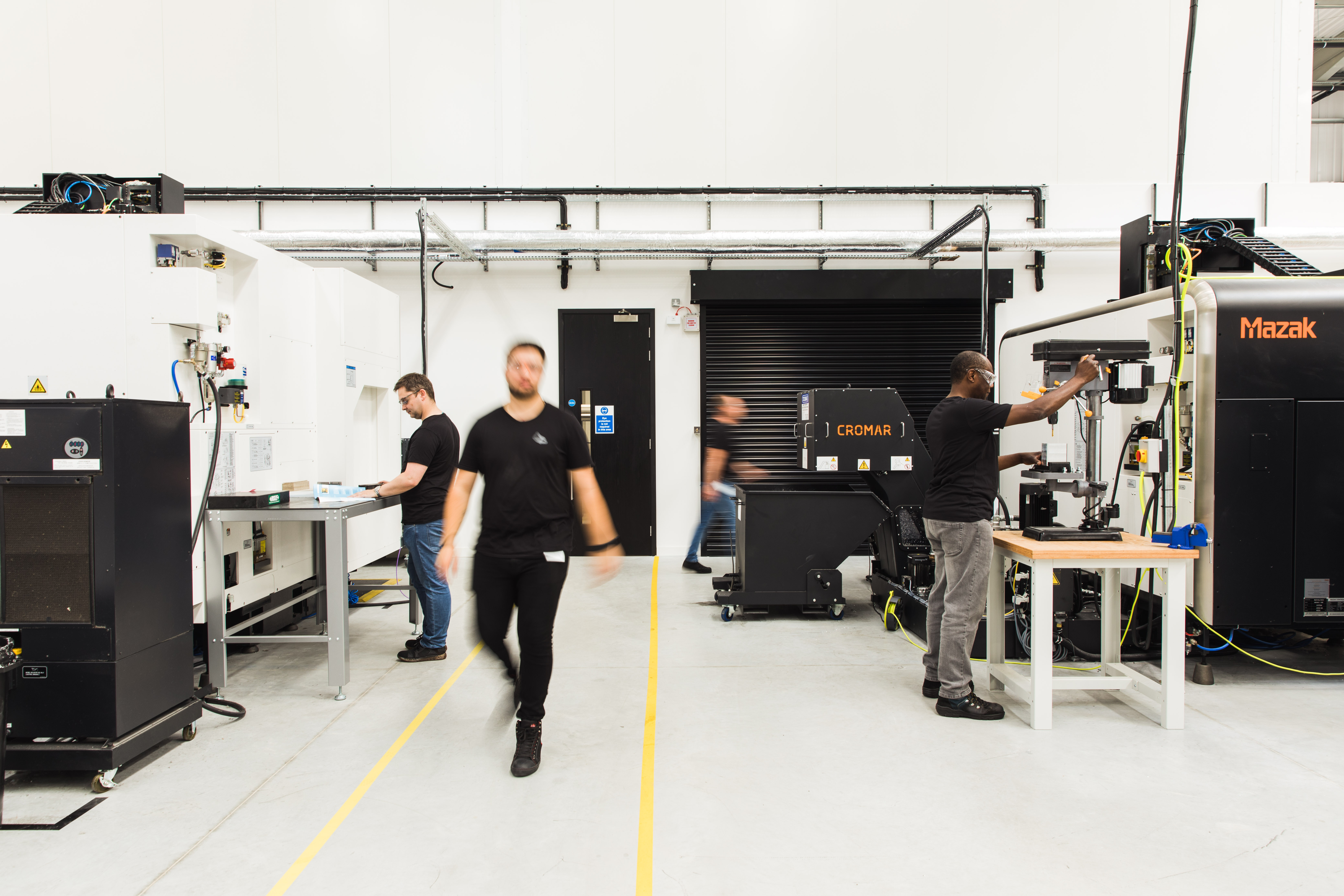
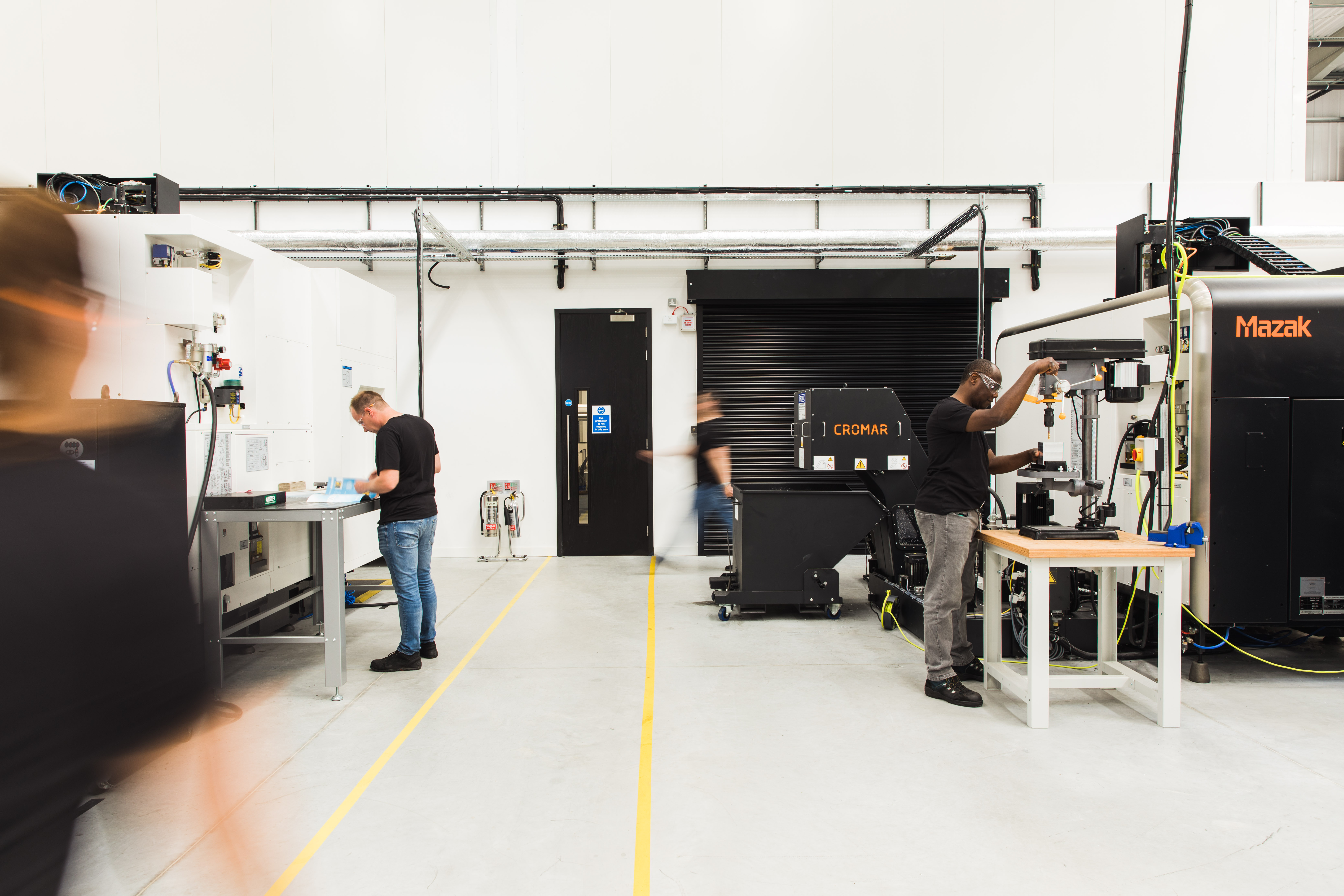
The people working in our factory in Chelmsford prove that every day. Across the UK, there are brilliant engineers and machinists who know exactly how to make difficult things like Formula 1 cars and aerospace parts, or even components that will one day go into space. And the same is true across the West.
This week, the BBC reported on a potential manufacturing renaissance in London. Isembard is making precision components in Southwark, while nearby Rivan Industries is building equipment to produce synthetic natural gas. London is an expensive place to build a business (indeed, CloudNC’s first manufacturing facility was also in London, before we scaled up and moved out), but London’s combination of engineering talent, investment and software expertise gives good reasons to try.
I’d like to see much more of this. Bringing the people who design products closer to the people who make them makes it easier to solve problems and get the next version built.
But the challenge remains to do this at scale. And right now, we don’t have enough skilled people to do that.
We can see this in the US, where even though political pressures and global security risks are encouraging manufacturers to bring as much production back from overseas as they can, skilled labour remains a constraint on how much work they can take on.
After all, when someone decides to bring an order home, there still needs to be a supplier who can make the components, meet the tolerances and deliver on time. If that supplier’s best estimator or programmer already has weeks of work queued up, enthusiasm about reshoring won’t clear the backlog.
People often assume that modern manufacturing is automatic. Load a design, press a button, out comes a part. In practice, skilled people still spend hours deciding how a machine should make each new component, and getting those decisions wrong matters. Buying another machine can leave you with the same bottlenecks and a bigger equipment bill - after all, average machine utilisation in the industry is somewhere below 20%!

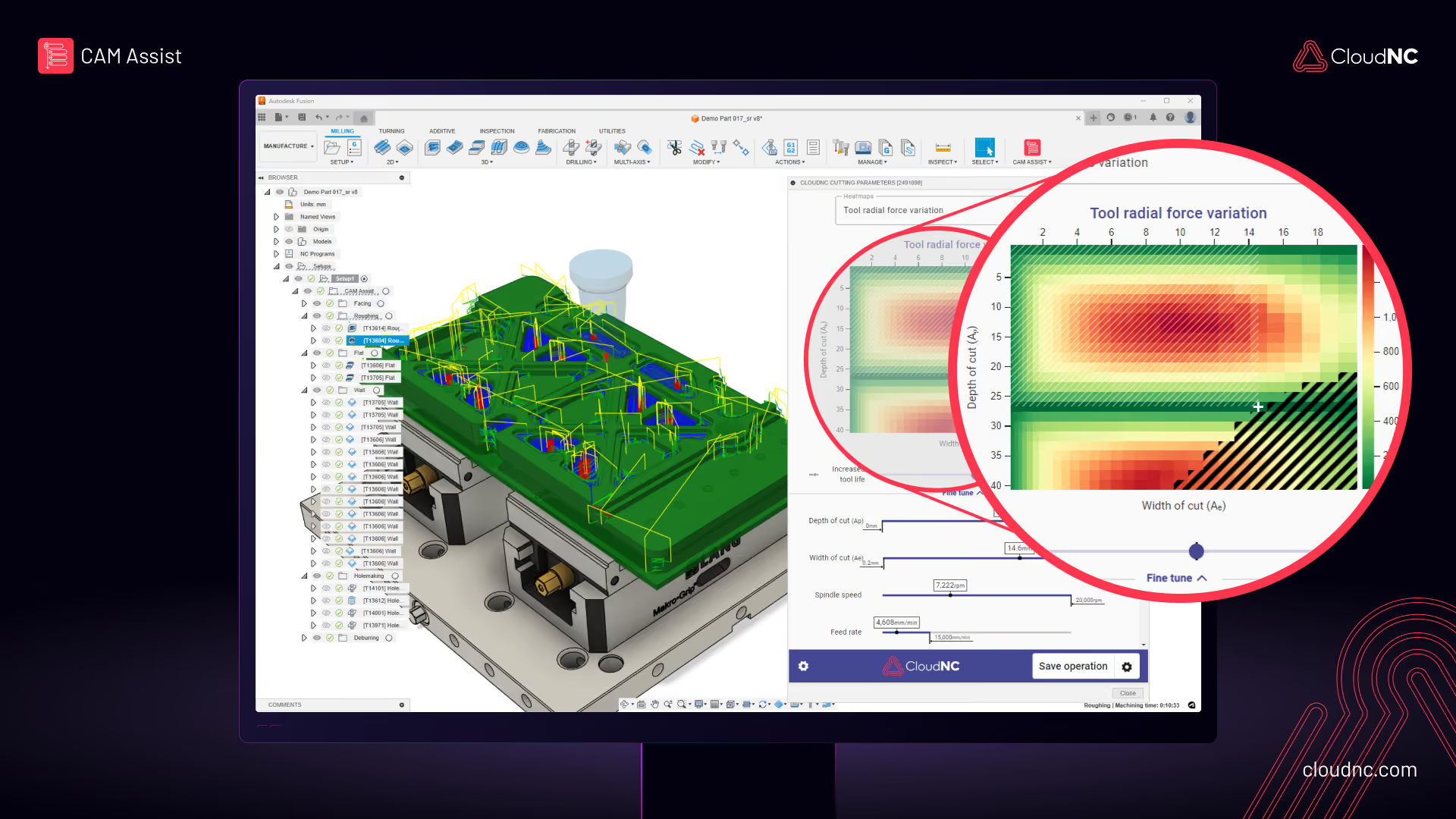
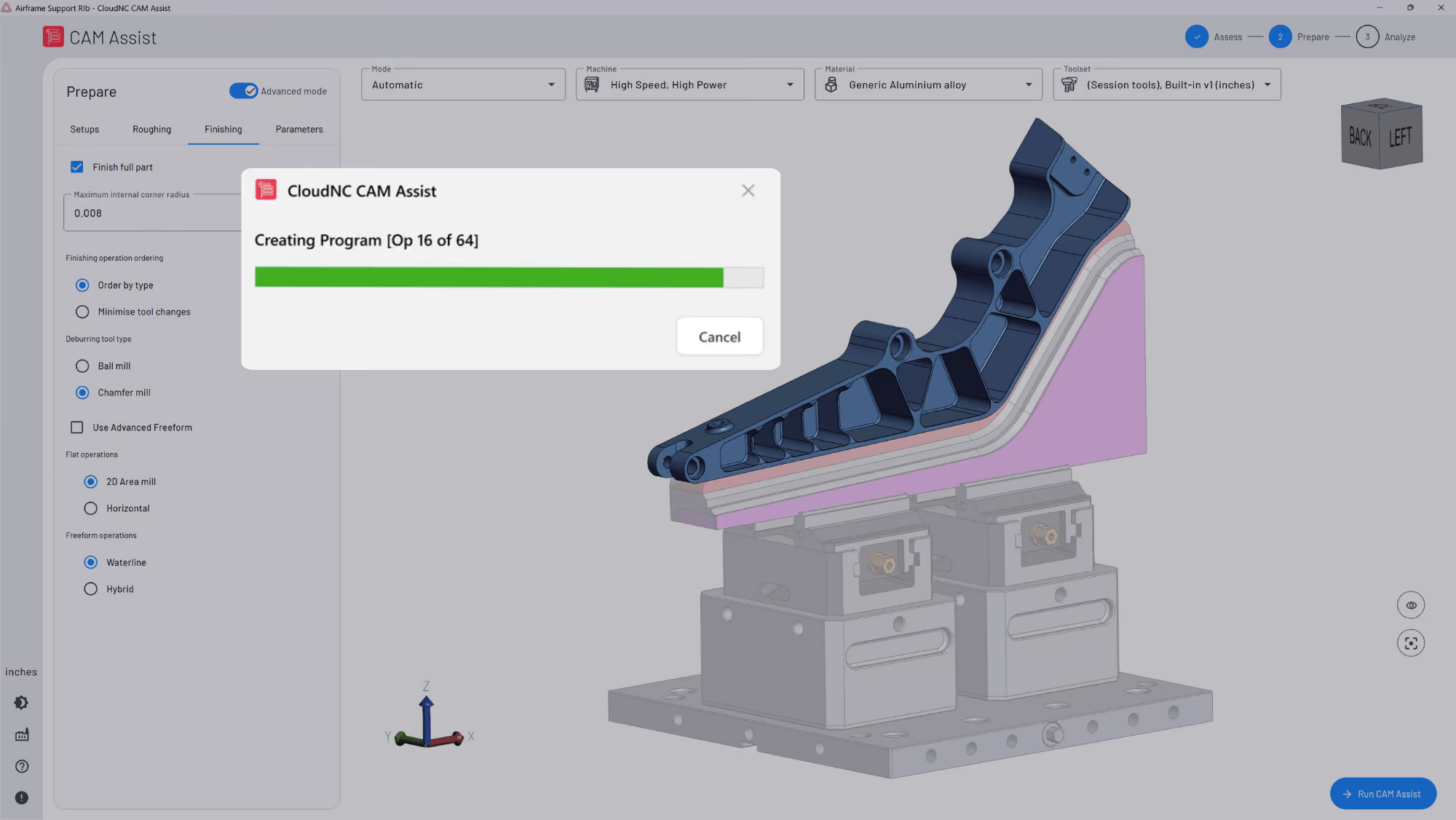
This is where hardware and software need to come together. If software (like our Quote Agent or CAM Assist solutions) can take on more of the repetitive quoting and programming work, the expert can spend more time solving the problems that need their judgement. Their knowledge can support more production, and they have more time to help less experienced colleagues develop.
We should be ambitious about how far that can go: I want us aiming for 10x the output from the expertise we have. That will take improvements across the whole production process, with people retaining control of the decisions that matter.
The economics then start to change. Producing closer to the customer becomes more attractive when a local shop can deliver competitively. Shorter lead times can reduce cash tied up in stock, and nearby suppliers can respond more quickly when a design changes or something goes wrong.
There’s a resource benefit to aim for as well. Getting more useful production from existing equipment, reducing scrap and avoiding unnecessary transport can all improve how we use materials and energy. Those gains should be measured alongside cost and delivery.
The West still knows how to make things. Give the people doing it the tools to produce much more, and bringing manufacturing home becomes a far more practical proposition.